Vercel CEO Guillermo Rauch advocates for separating core systems from autonomous entities
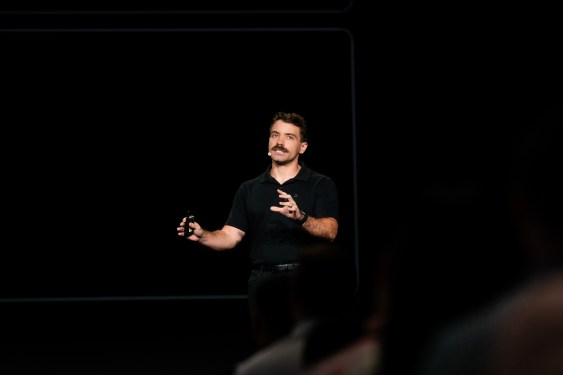
Guillermo Rauch, CEO of Vercel, addresses a pivotal debate regarding the architecture of modern software systems. He argues for a distinct separation between the foundational technology and the autonomous entities that operate within applications. This architectural shift aims
Guillermo Rauch, CEO of Vercel, addresses a pivotal debate regarding the architecture of modern software systems. He argues for a distinct
separation between the foundational technology and the autonomous entities that operate within applications. This architectural shift aims
to create a more modular environment for developers building complex platforms. By decoupling these layers, engineering teams can update the
underlying intelligence without disrupting the autonomous logic. Rauch suggests that this separation is essential for advancing the
capabilities and reliability of current web infrastructure. The discussion reflects a growing consensus that tight coupling between these
components limits scalability and flexibility. Implementing this split could lead to more specialized tools for managing different aspects
of the technology stack. Vercel’s stance positions the company as a thought leader in the evolving landscape of application development
infrastructure. This approach may influence how future platforms are designed to handle increasingly sophisticated computational tasks. The
industry continues to explore the best methods for integrating powerful foundational systems into user-facing applications.