China Imposes Strict Silence and Sanitized Media Coverage Following Disaster in Tibet
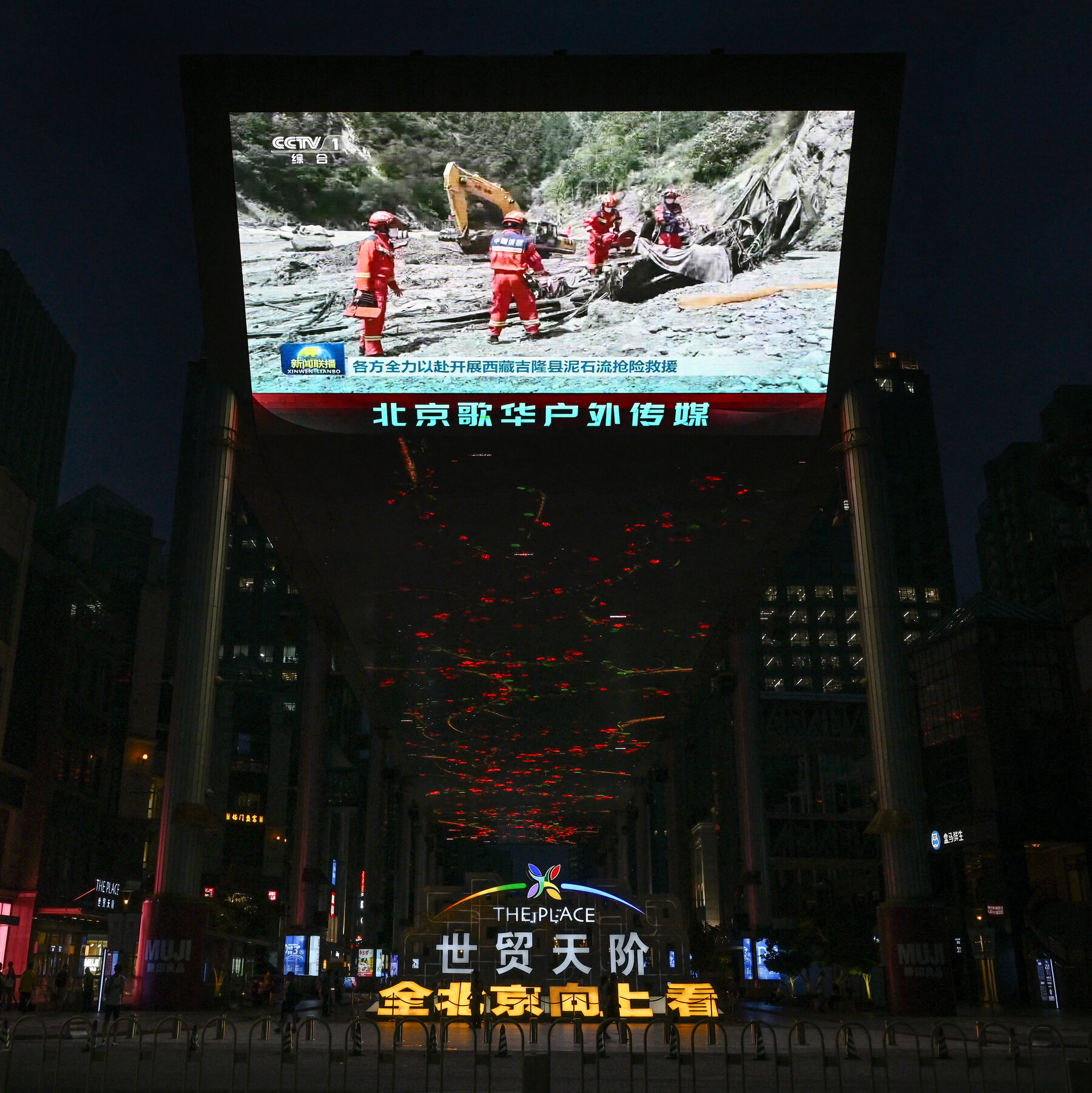
Recent reporting highlights a sharp contrast in how neighboring regions handle major disasters and public grief. While journalists working in Nepal are able to report freely on local grief and anger.
Recent reporting highlights a sharp contrast in how neighboring regions handle major disasters and
public grief. While journalists working in Nepal are able to report freely on local grief and anger.
China's official media outlets have presented a heavily sanitized aftermath regarding the situation
in Tibet. State messaging in Tibet focuses on controlled narratives rather than the emotional
reality of the disaster. This approach reflects the broader playbook used by authorities to manage
information during crises. Independent verification of conditions on the ground remains difficult
under such tight media controls. The restriction of free reporting prevents a complete picture of
the disaster's impact from emerging. Observers continue to monitor how information is managed and
suppressed in the region.